
Reno A&E BX-4 Manuals & Support

Identify your model
The last digit in BX-X gives the power: 3 is 115 VAC, 4 is 12 to 24 VAC/DC and 8 is 240 VAC. An S on the end means fail secure. The BX-3 page covers the 115 VAC version.
Key specs
| Power | 12 VDC, 24 VDC or 24 VAC (10 to 35 V) |
|---|---|
| Channels | 1 loop, 2 relay outputs |
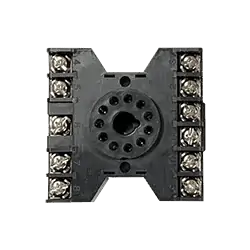
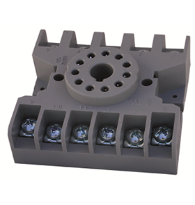
| Connector | Rear 11-pin |
| Output A | Limited Presence or True Presence |
| Output B | Presence, pulse on entry, pulse on exit or fault |
| Sensitivity | 8 levels plus sensitivity boost |
| Loop frequency | 4 settings |
| Delay | 2 second delay option |
| Size | 3.00 x 1.75 x 4.30 in |
Manuals and documents
Installation Manual
-
BX Series Operating Instructions
View PDF: BX Series Operating Instructions (opens in a new tab)
Spec Sheet
-
BX Series Spec Sheet
View PDF: BX Series Spec Sheet (opens in a new tab)
Troubleshooting
Common questions
The BX-4 runs on 12 VDC, 24 VDC or 24 VAC. For 115 VAC use the BX-3.
Output B can duplicate Output A, give a pulse on entry, a pulse on exit, or act as a fault output. Set it with DIP switches 7 and 8.
True Presence holds the output as long as the vehicle stays on the loop. Limited Presence times out. Select it with DIP switch 3.
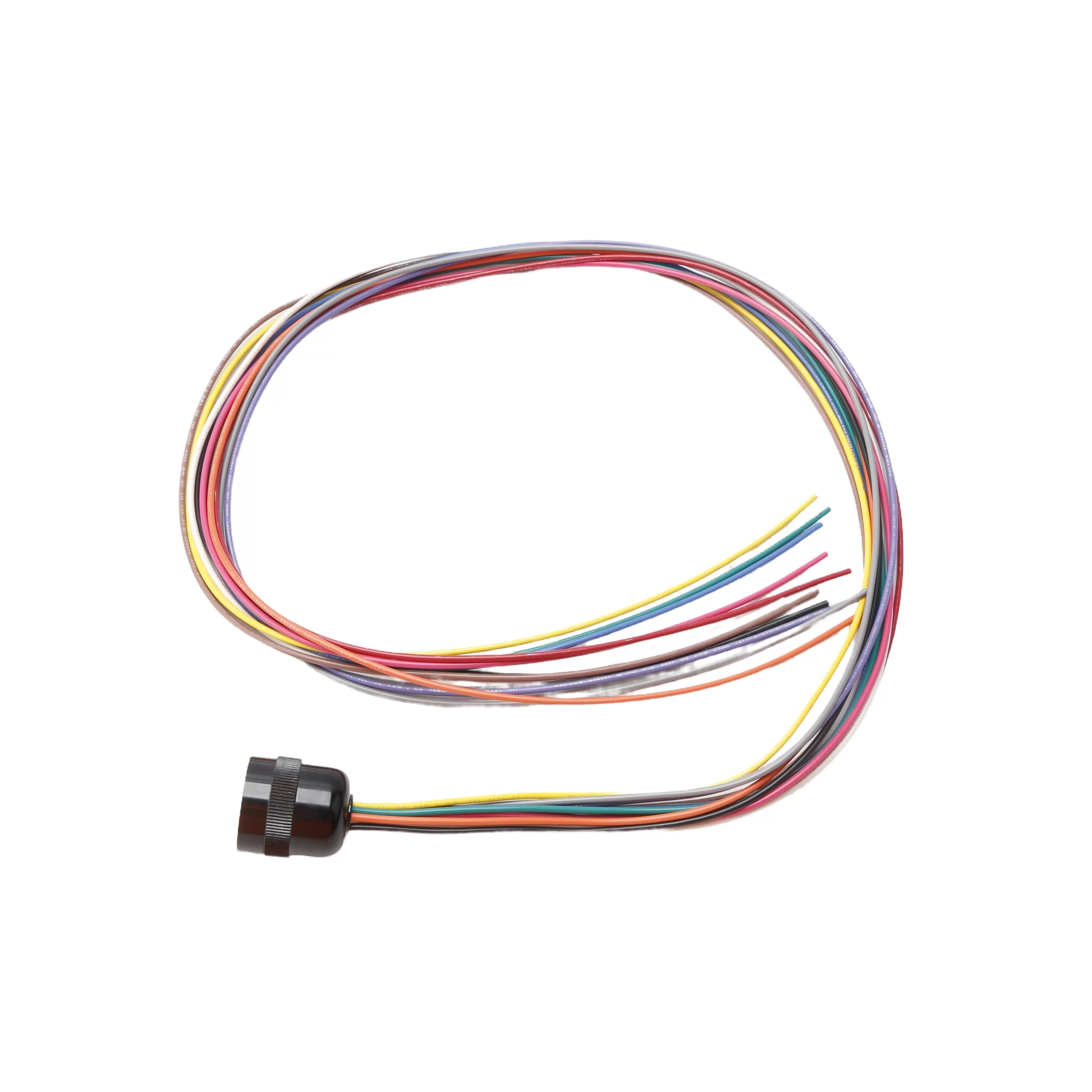
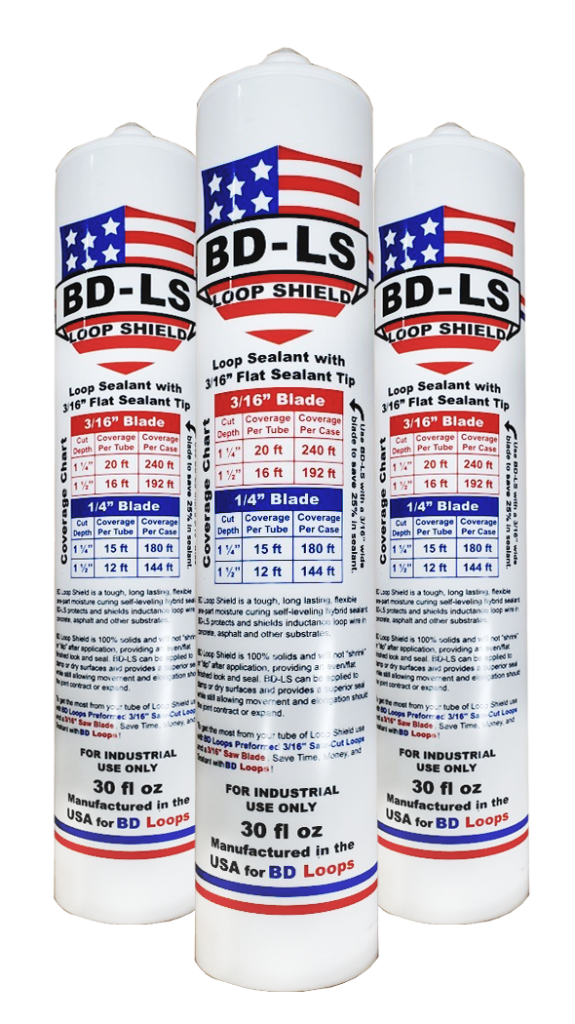
Use direct-burial loop wire such as 16 AWG XLPE, not THHN. Twist the lead-in about 6 turns per foot from the loop to the detector, and seal saw cuts with loop sealant.