Dispositivos de seguridad para portones y puertas
112 artículos


112 artículos
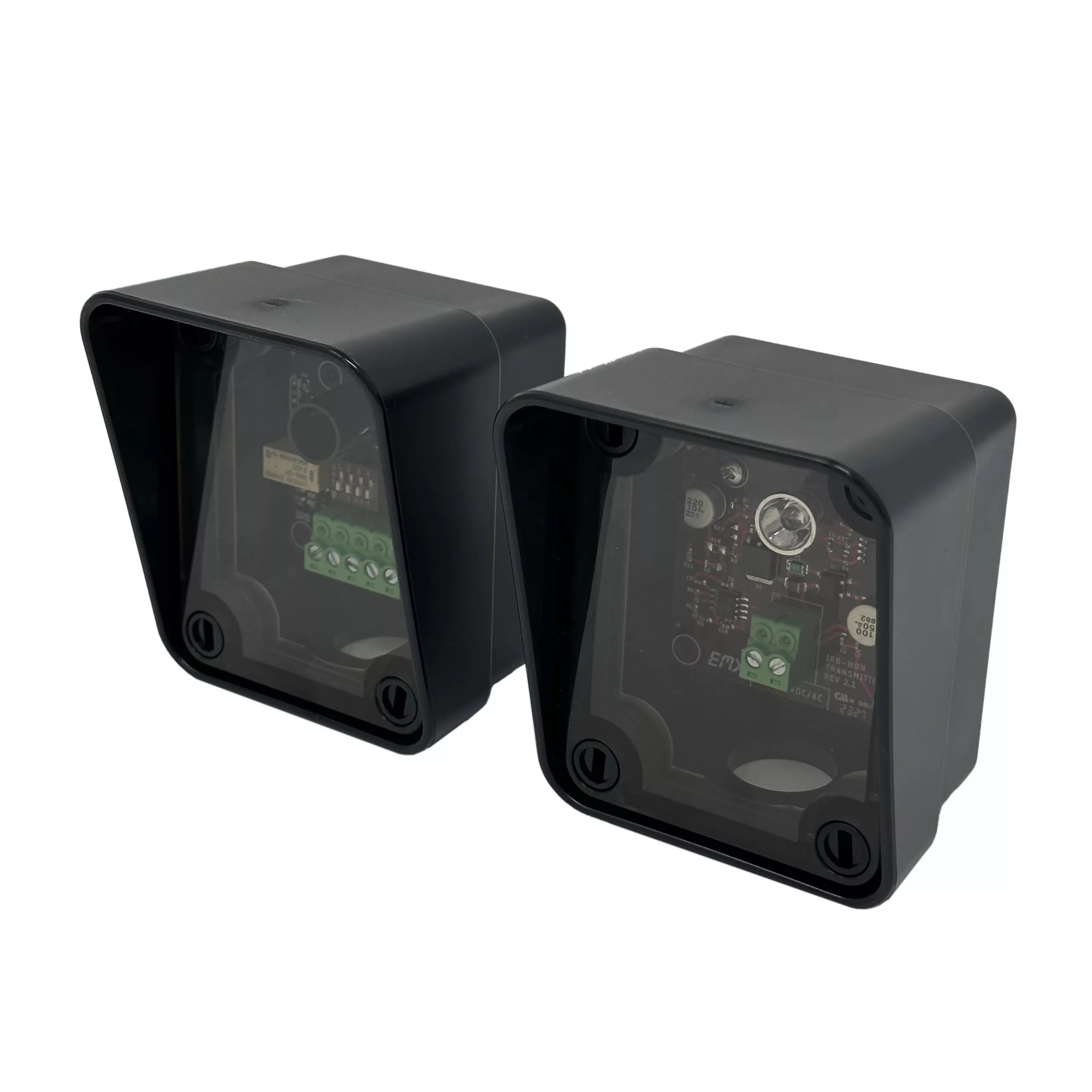
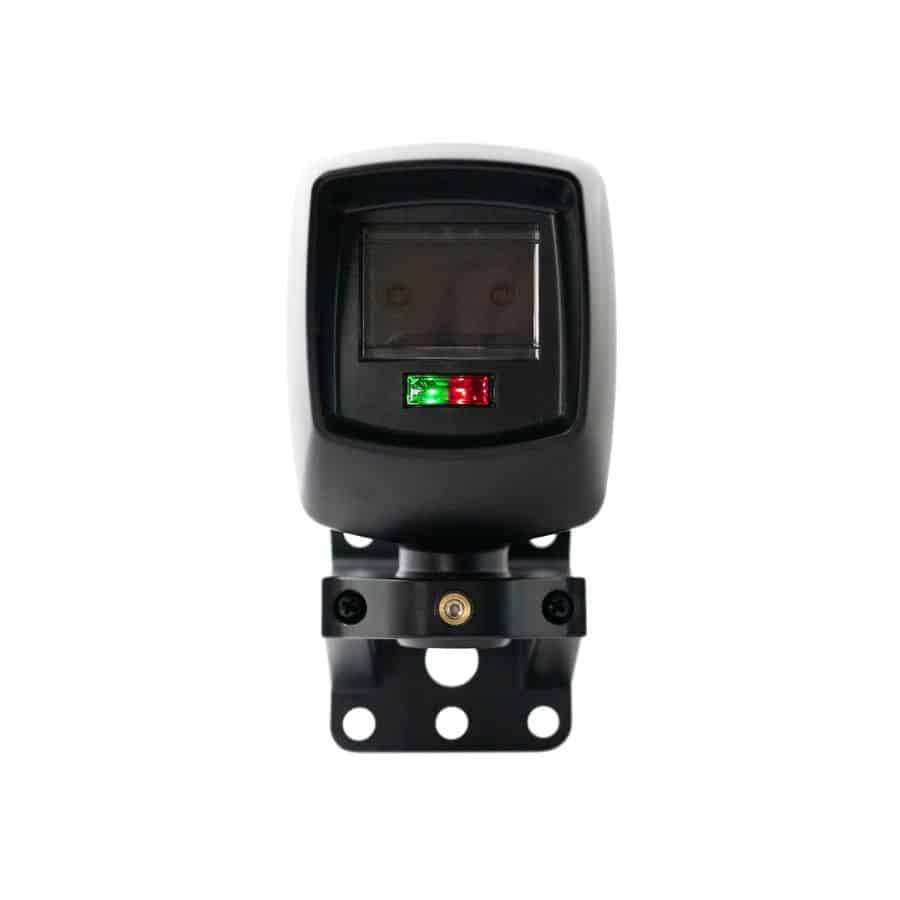
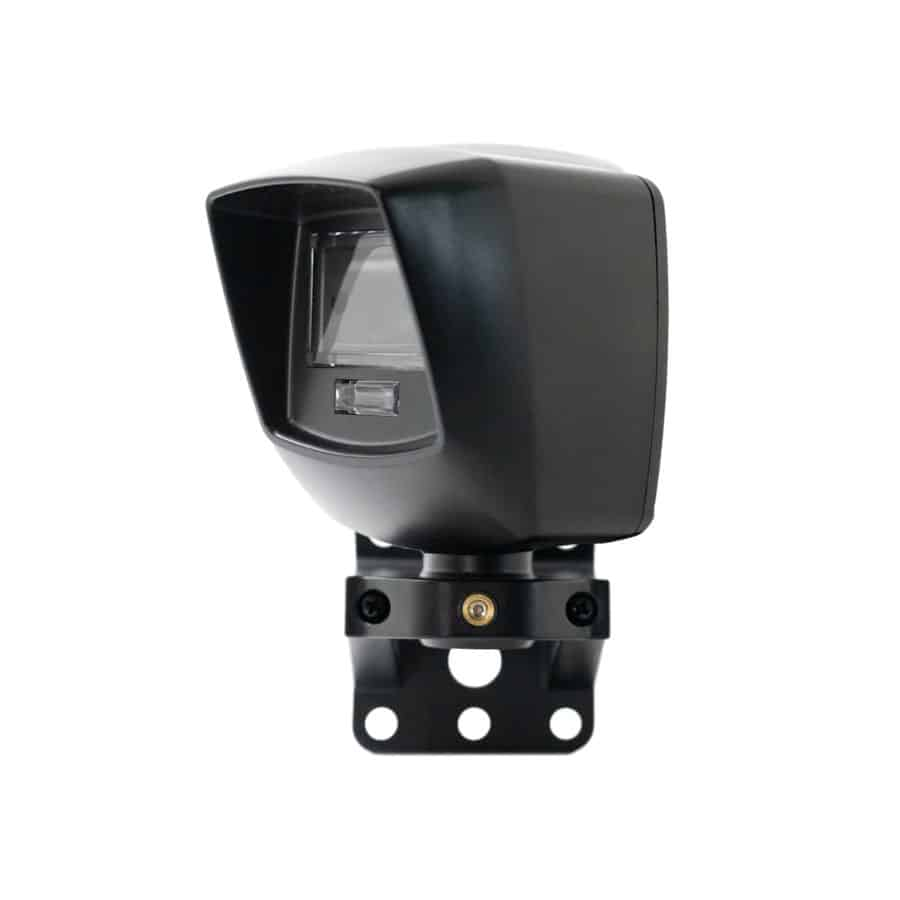
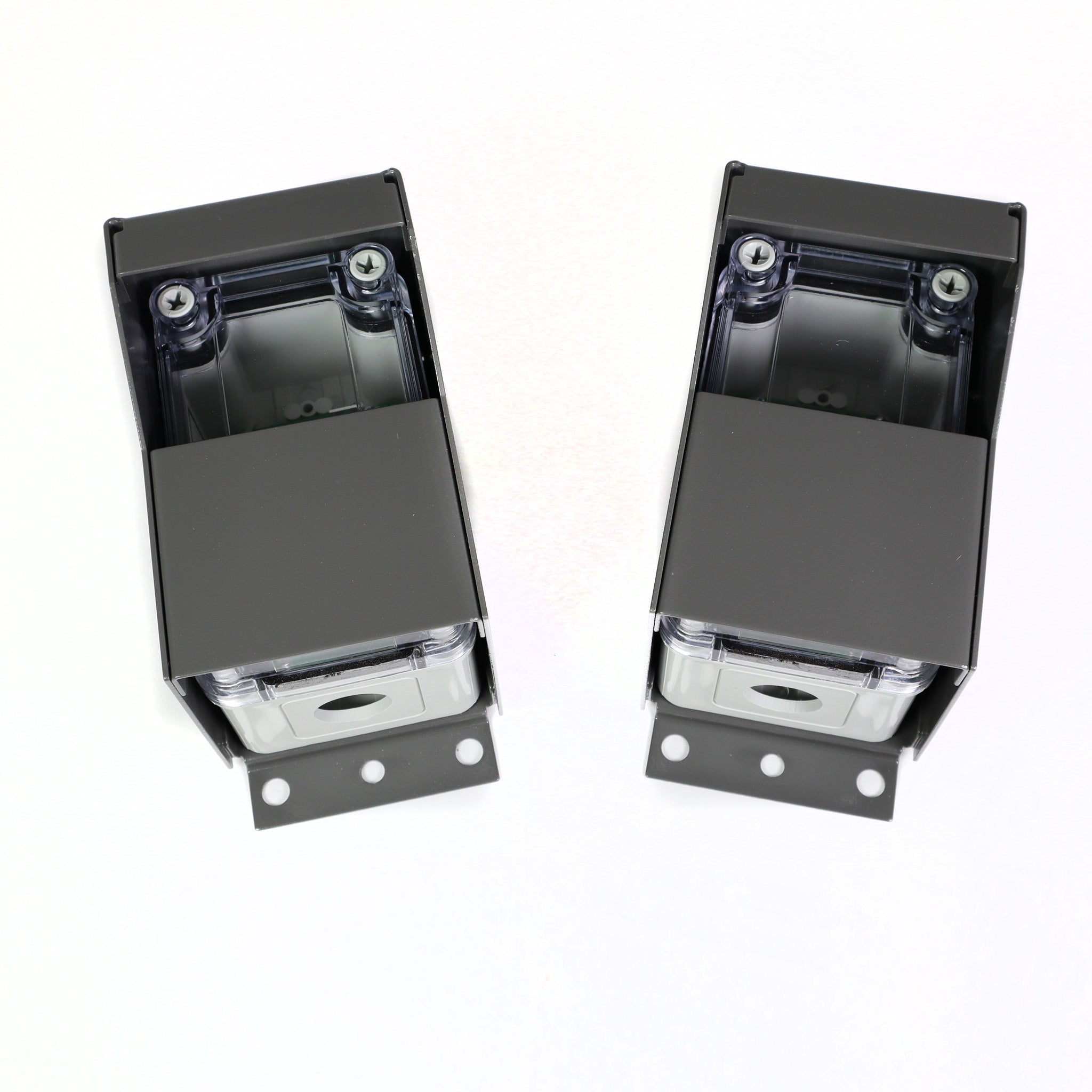
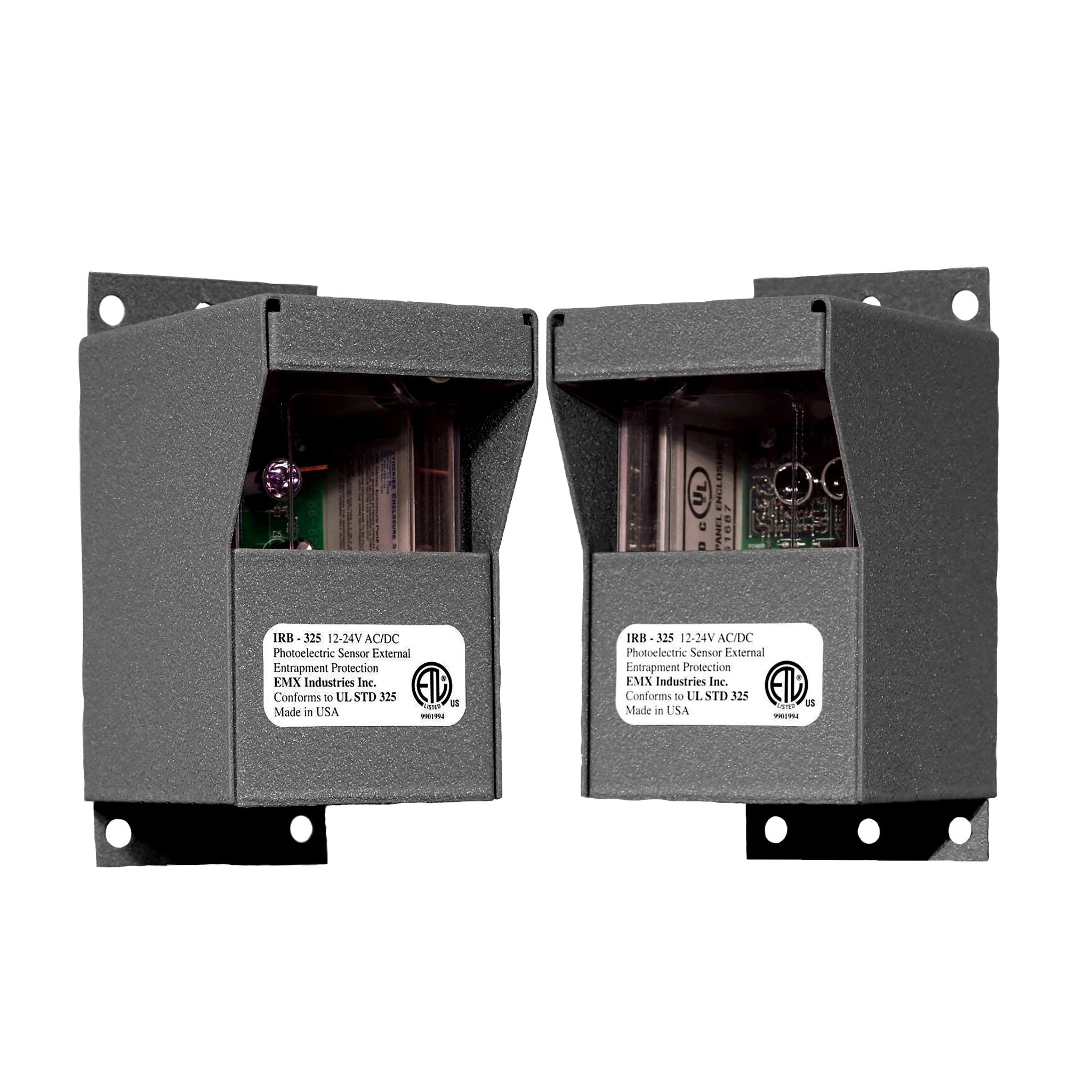
Gate and door safeties are the entrapment protection devices that stop or reverse a gate or door when something is in its path. Protec Controls carries UL 325 monitored photo eyes and safety edges from EMX, Miller Edge, LiftMaster, Seco-Larm, ASO and Omron, plus wireless edge kits, reflectors, hoods and mounting posts. Installers use them on new gates and to bring older operators back into service.
Since August 2016, UL 325 requires automatic gate operators to use monitored external entrapment protection. The operator checks that a working device is connected. If it does not see one, the gate will not run normally. Each entrapment zone needs coverage, in the closing direction and the opening direction where a zone exists.
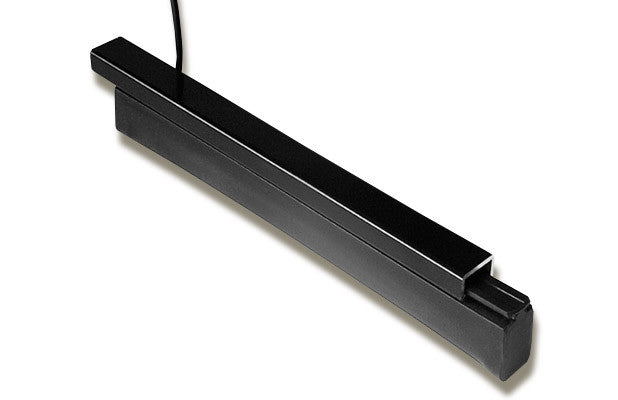
Most sites use both: eyes across the opening and edges at pinch points the beam cannot reach.
Operators check devices in different ways, such as a 10K ohm resistive circuit or a brand-specific pulsed signal. LiftMaster gate operators, for example, use LiftMaster monitored photo eyes and edge kits. Look up the operator's safety input before you buy, and match the device to it.
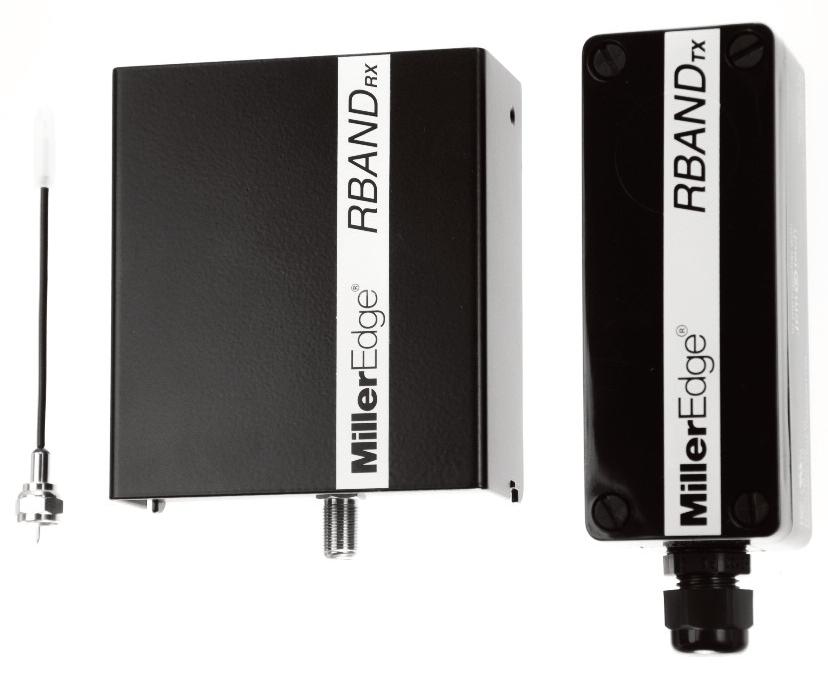
An edge on a moving gate needs a way to reach the controller. Wireless edge kits from Miller Edge, EMX and LiftMaster put a battery transmitter on the gate and a receiver at the operator, which avoids coil cords and trenching.
Commercial door operators use photo eyes and edges too. For door hardware and controls, see overhead door parts.
The operator likely does not see a working monitored device. Check for a missing, misaligned or failed photo eye or edge, and loose safety wiring.
No. Loops detect vehicles only. A UL 325 gate still needs monitored photo eyes or edges on top of any loops.
Not on their own. Operators built to the 2016 standard expect monitored devices on their safety inputs.