
EMX MVP D-TEK Manuals & Support

Identify your model
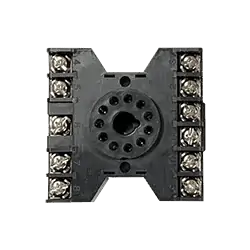
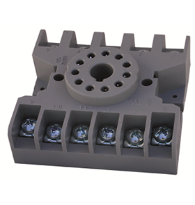
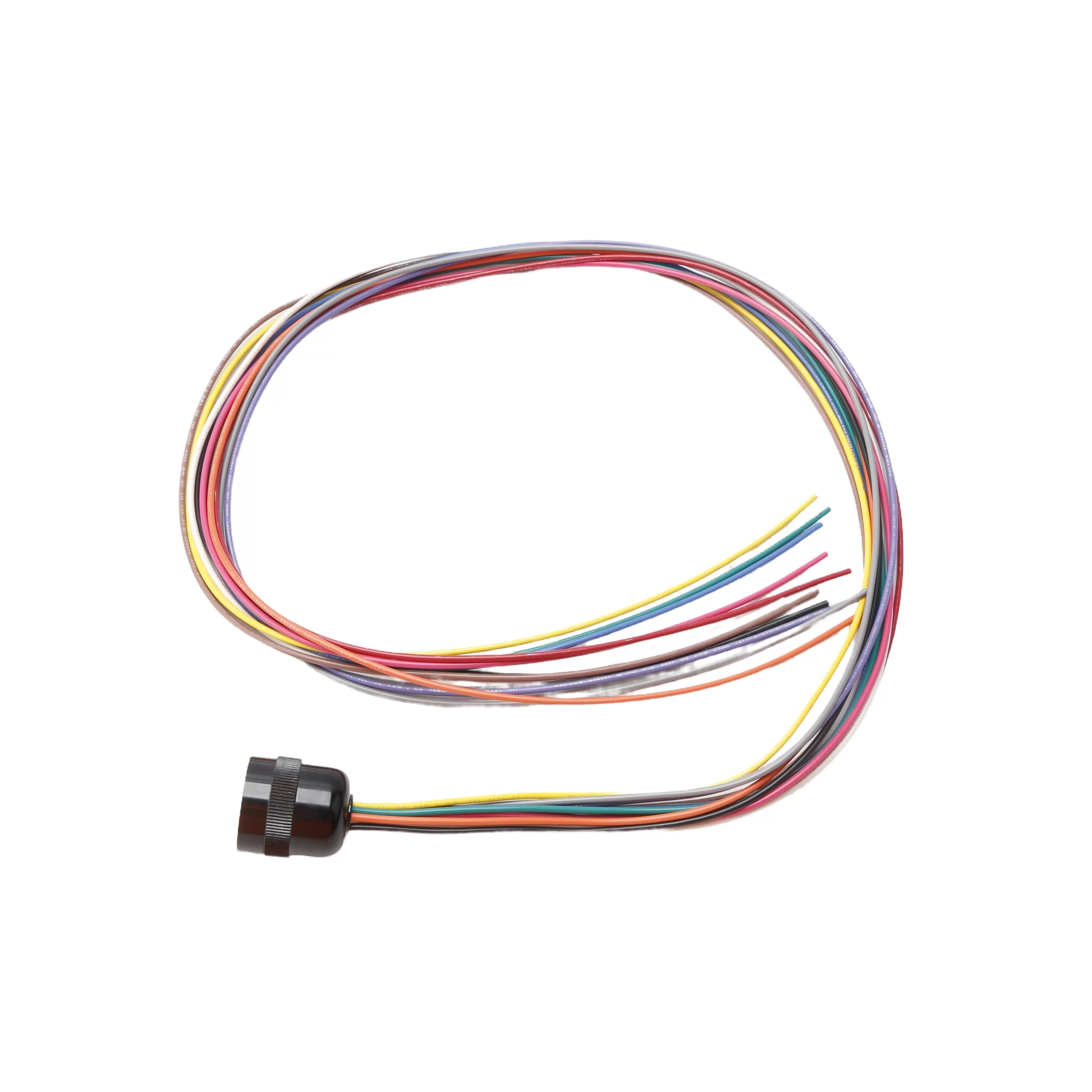
The MVP D-TEK has an anodized aluminum housing with an 11-pin plug (86CP11) and a rotary sensitivity dial. It needs an LD-11 DIN rail socket or a HAR-11 harness. For battery or solar systems, EMX offers the LP D-TEK, which draws under 9 mA.
Key specs
| Power | 12 VDC to 240 VAC |
|---|---|
| Connector | 11-pin male (86CP11) |
| Relays | Presence relay and pulse or presence relay, 1 A at 30 VDC |
| Sensitivity | 10 settings, 0 to 9; automatic boost |
| Modes | Fail-safe or fail-secure; pulse on entry or exit; 3, 6 or 9 second extend |
| Loop inductance | 20 to 2,000 µH |
| Current draw | 9.5 mA at 24 VDC; 13.5 mA at 115 VAC |
| Housing | Anodized aluminum, 3.25 x 2.56 x 3.65 in |
| Operating temperature | -40 to 180 °F |
Manuals and documents
Installation Manual
-
MVP D-TEK Instruction Manual
View PDF: MVP D-TEK Instruction Manual (opens in a new tab) -
Loop Wire Installation
View PDF: Loop Wire Installation (opens in a new tab)
Spec Sheet
-
MVP D-TEK Spec Sheet
View PDF: MVP D-TEK Spec Sheet (opens in a new tab)
Troubleshooting
Common questions
Yes. It replaces the 12 VDC, 24 VAC and 115 VAC D-TEK models with one part and uses the same 11-pin plug and housing size. Check the relay load: contacts are rated 1 A at 30 VDC.
Use an LD-11 DIN rail socket or a HAR-11 harness. Neither is included.
Use fail safe for reversing and safety loops. Fail secure keeps the output from changing on a loop fault or power loss and is not for reversing loops.
Use direct-burial loop wire such as 16 AWG XLPE, not THHN. Twist the lead-in about 6 turns per foot from the loop to the detector, and seal saw cuts with loop sealant.