Preformed Loops
214 products


214 products
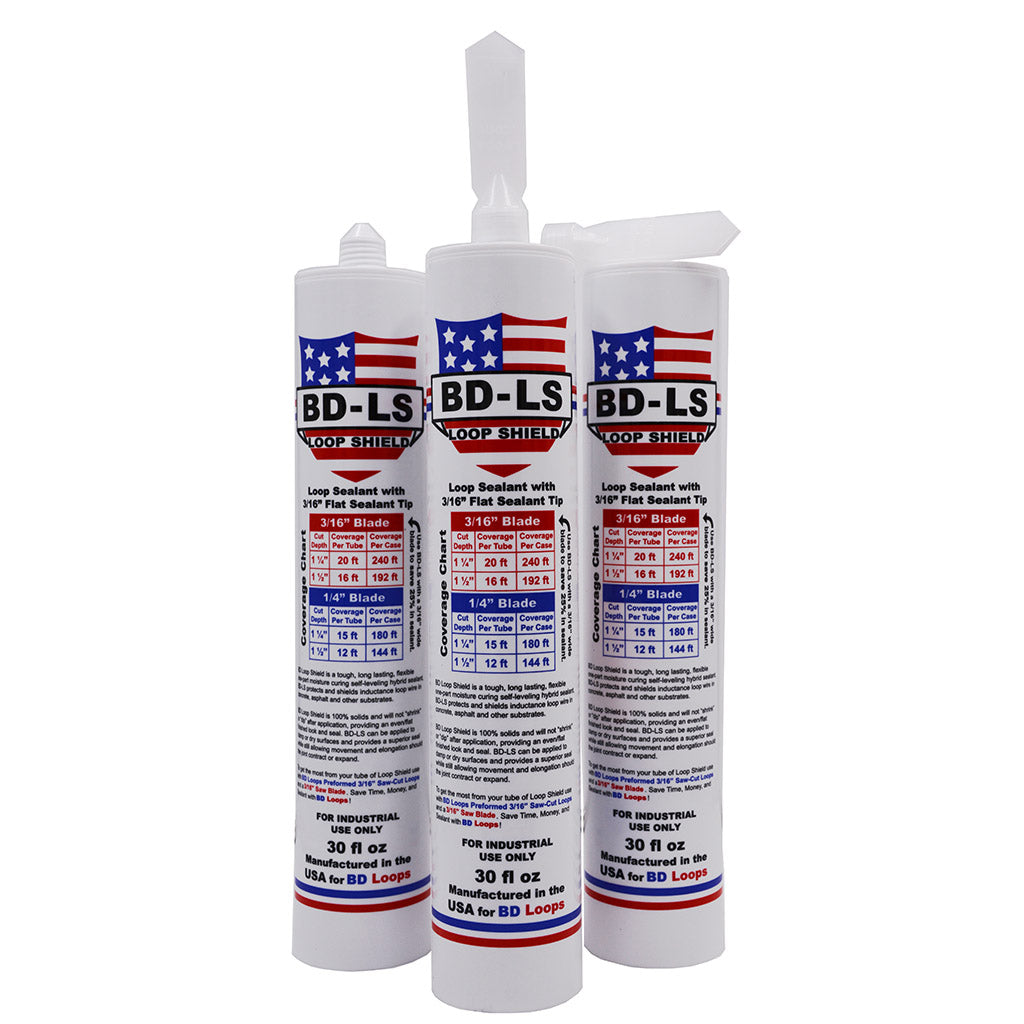
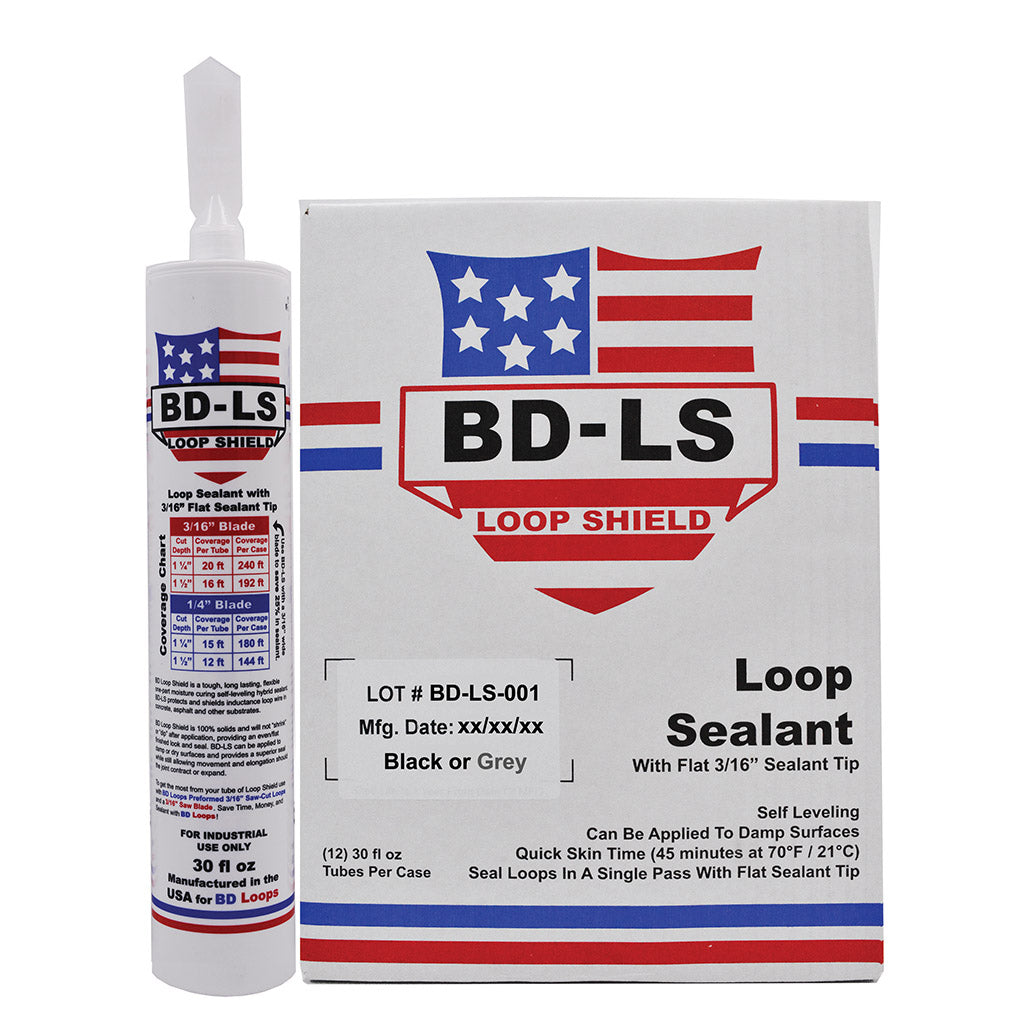
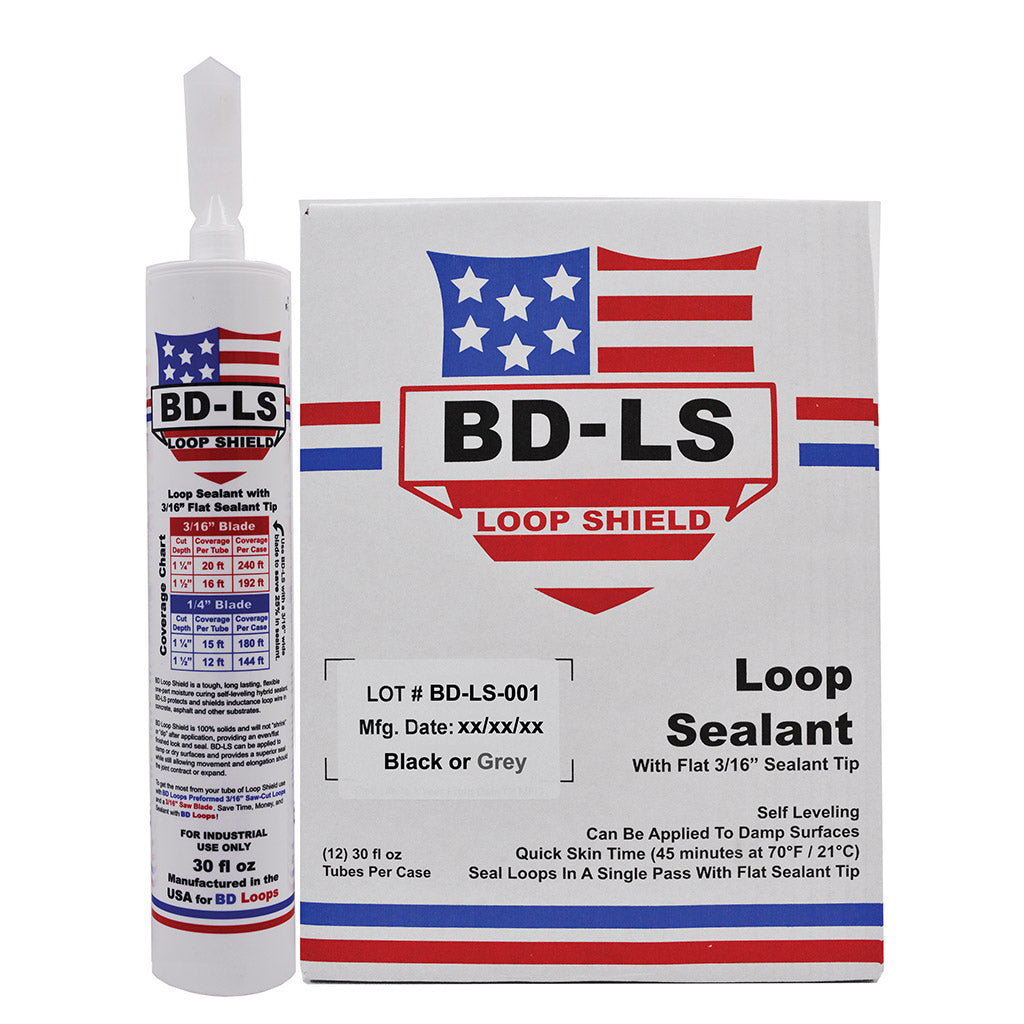
Preformed loops are factory-built vehicle detection loops, with the wire sealed in tubing and a twisted lead-in already attached. Protec Controls carries saw-cut and direct-burial preformed loops from Reno A&E, BD Loops, EMX and Torxun in sizes from 3x4 ft to 6x44 ft. Loop wire, loop sealant, backer rod and diamond saw blades are here too for installers cutting loops on site.
A saw-cut loop drops into a slot cut in existing concrete or asphalt, then the slot is sealed. A direct-burial loop is set in the base before a new slab is poured or under pavers. Reno A&E universal SC/DB loops can go either way. Choose by whether the pavement is already in place.
The number in most part numbers is the loop perimeter in feet. A 24 ft loop can be laid out as 4x8 or 6x6, a 32 ft loop as 4x12 or 6x10. Size the loop to cover the lane where cars stop, and keep it clear of the gate's travel so the detector does not read the moving gate.
Measure the run from the loop to the detector, add slack, and pick the next lead-in length up. Common choices are 20, 40, 50, 60 and 100 ft. Splices are a frequent failure point, so buy a lead long enough to avoid one. If you must splice, use a water-tight splice kit.
Once the loop is in, pair it with one of our loop detectors.
Most single-lane gate loops fall between 4x6 and 6x10 ft. Wider lanes and truck traffic call for longer loops. Your detector manual lists the inductance range it can tune.
A direct-burial loop works under pavers when set in a stable base. Loose gravel lets the loop shift, so many installers use a buried probe from the vehicle detection section instead.
The tubing protects the wire from shifting pavement and water, and the lead-in comes pre-twisted, which saves time on site.