Vehicle Detection
346 products


346 products
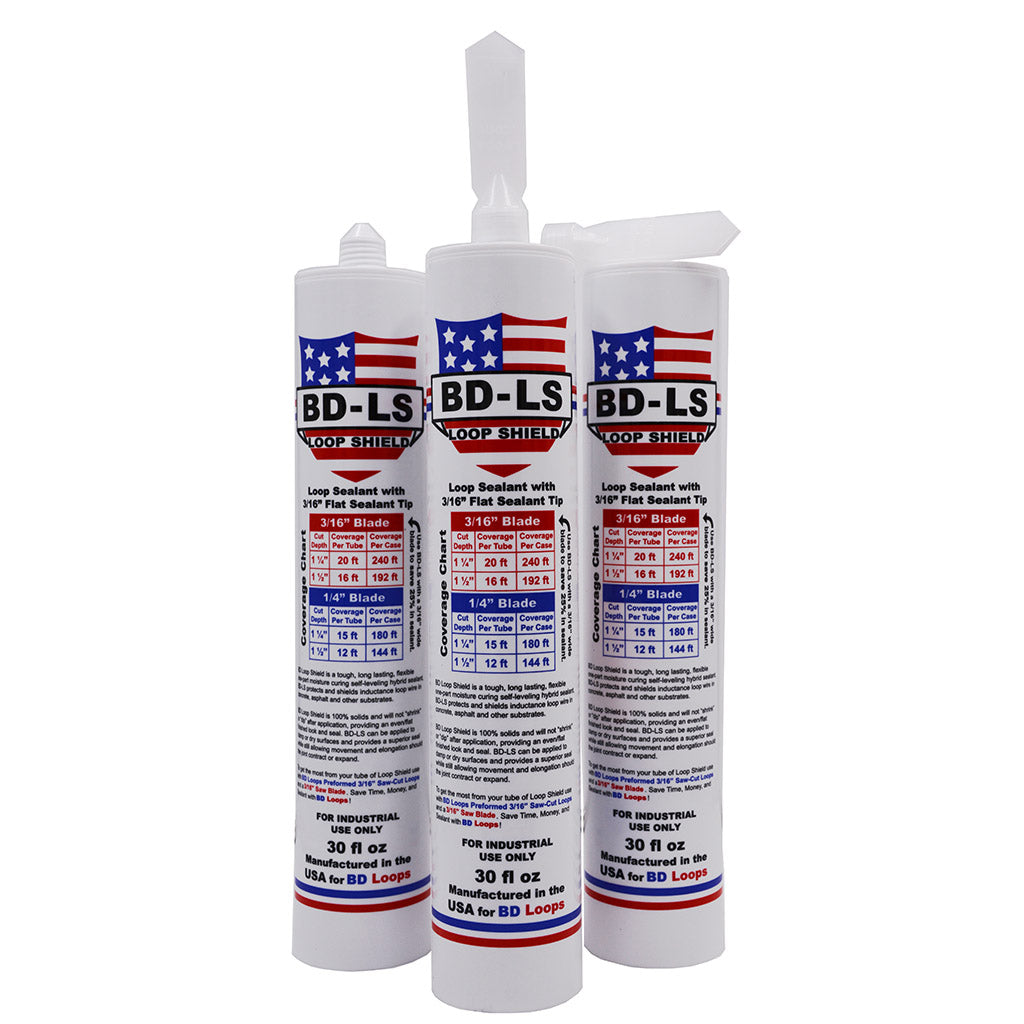
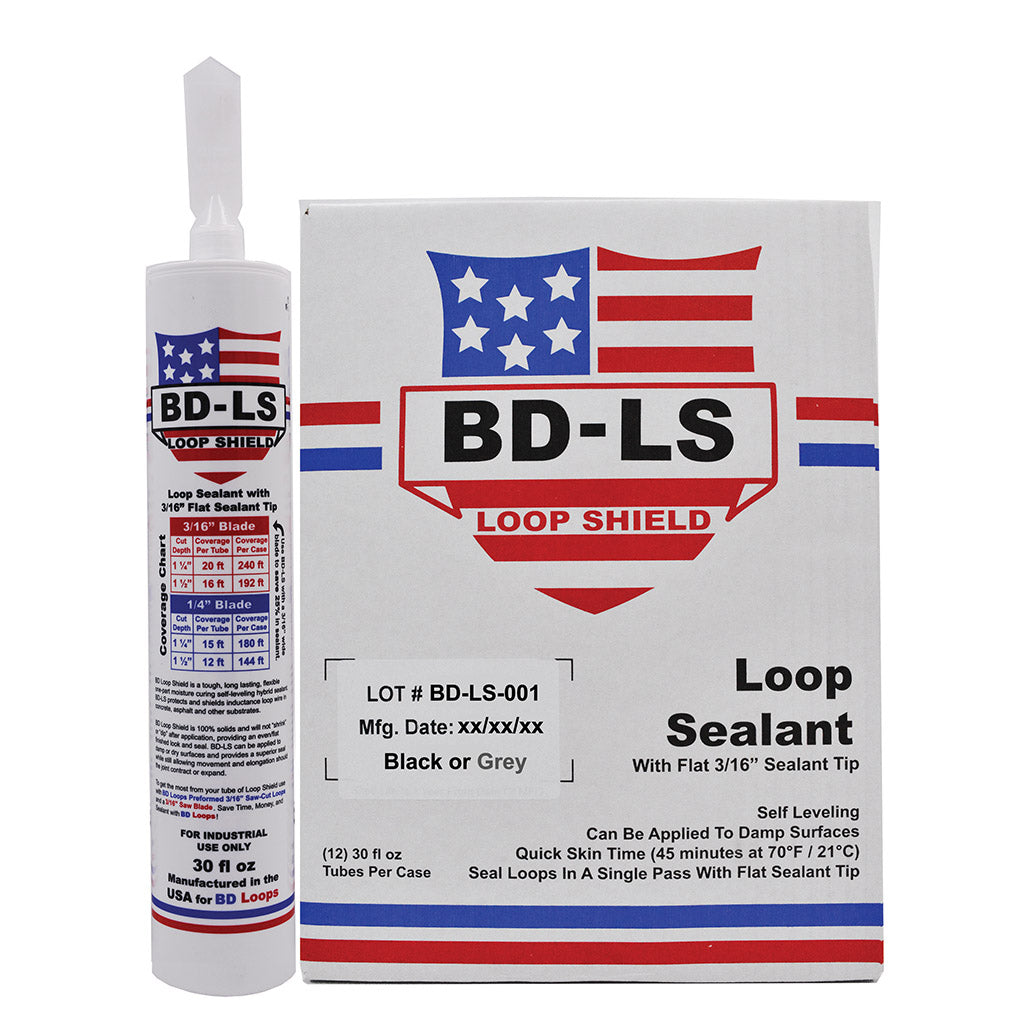
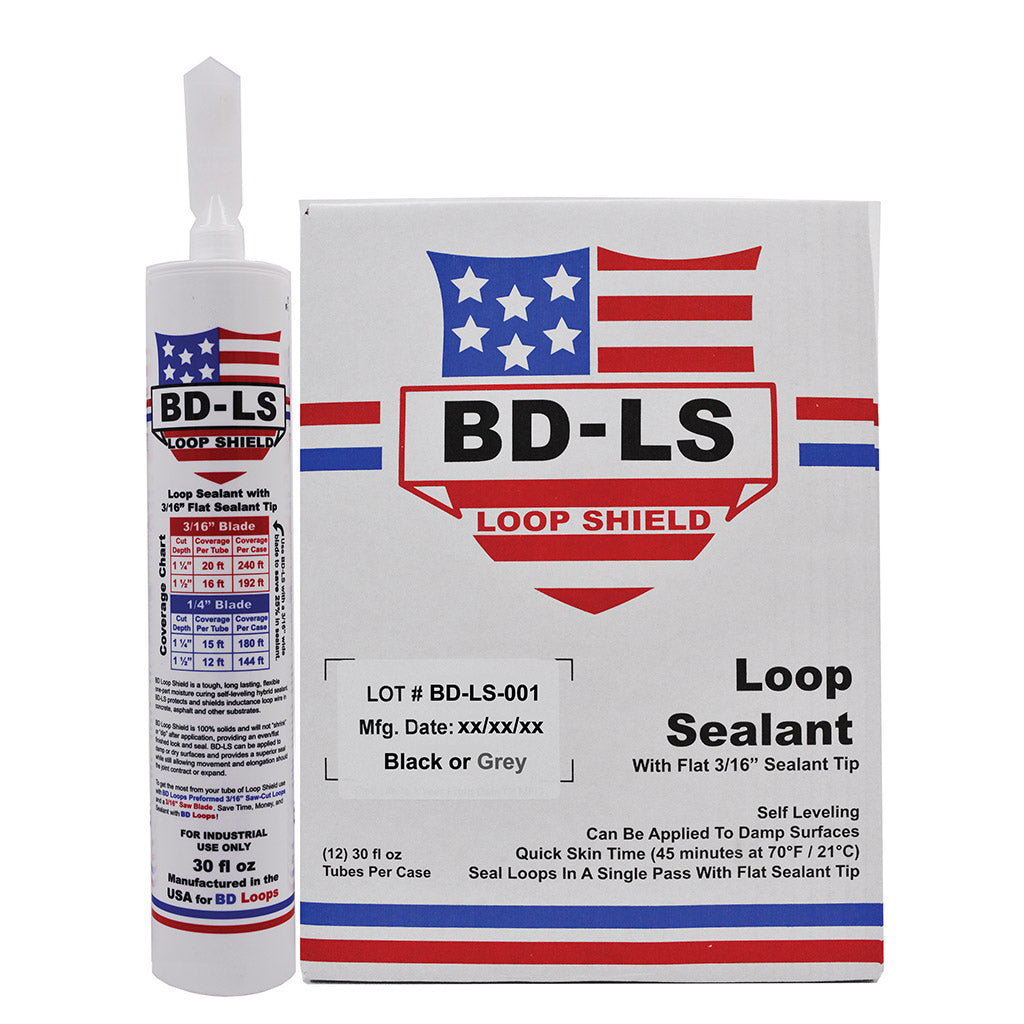
Vehicle detection equipment tells a gate operator when a car is in the lane, so the gate opens for exit traffic and holds open while a vehicle is in the path. Protec Controls carries loop detectors from Reno A&E, Diablo Controls, EMX and EDI, preformed loops from Reno A&E and BD Loops, EMX buried probes, AES e-Loop wireless kits, and loop wire and sealant. Installers and property managers use it on free-exit and safety lanes.
An inductive loop cut into the pavement, wired to a loop detector, is the standard method and works on concrete and asphalt. A buried probe senses the change a vehicle's steel makes in the earth's magnetic field. It goes in a small bore, so it suits gravel drives and pavers where a loop is hard to place. Wireless sensors run on batteries and send a signal to a receiver at the operator, which saves trenching a lead-in across the drive.
Compare loop detectors by these three points before anything else.
A typical automatic gate has an exit loop on the inside to open the gate, plus safety loops on both sides of the gate line that keep it from closing on a car. A swing gate often gets a shadow loop inside the swing area to hold the gate open while a vehicle sits there.
A field-built loop is loop wire laid in a saw cut and sealed. It costs less in material but takes more time, and bare wire can fail when pavement shifts. Preformed loops have the wire sealed in tubing with a twisted lead-in attached. Saw-cut versions go into existing pavement; direct-burial versions are set before a new pour or under pavers.
Plan for sealant, backer rod and a diamond saw blade. A loop tester helps find a damaged loop before you replace a good detector.
No. Loops sense vehicles, not people. Automatic gates still need monitored photo eyes or safety edges, found under gate and door safeties.
Yes. Most gate operators have an exit input for a loop detector, probe or wireless sensor.